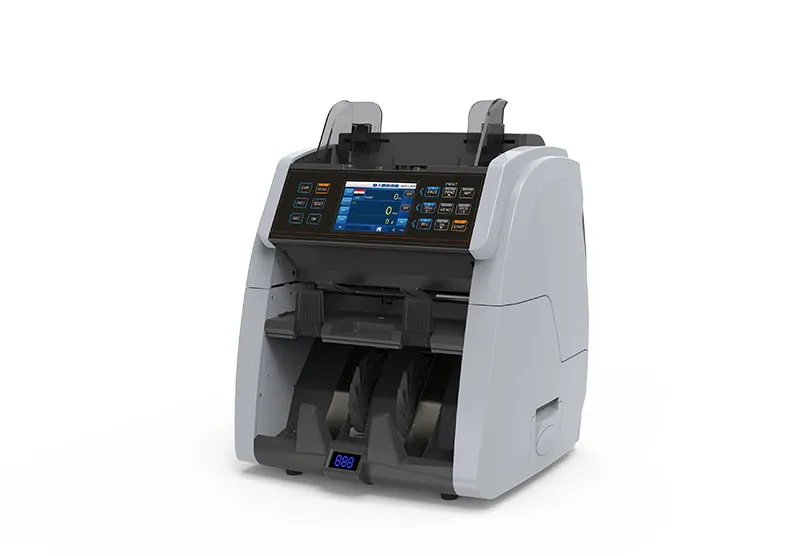
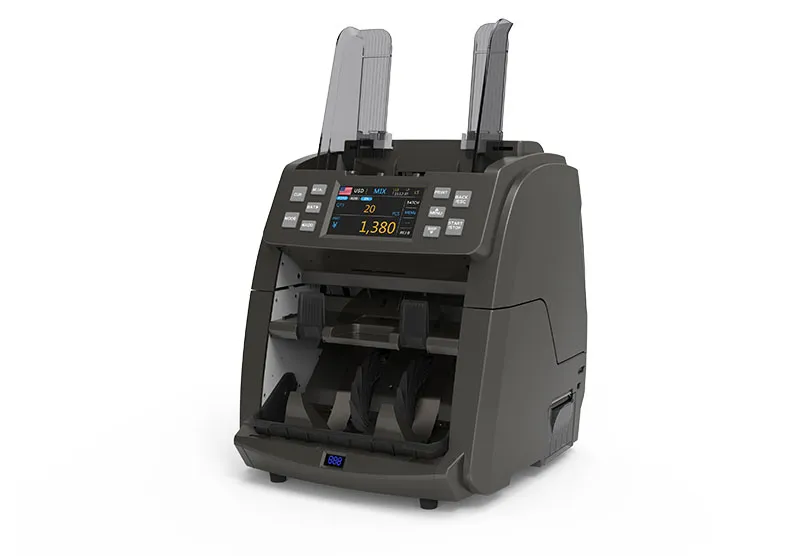
When operating a multi pocket currency sorter, particularly one from Weirong, it's vital to understand not only how to maximize its performance but also how to maintain it safely and troubleshoot when something goes wrong. Whether you're using a 1+1 or 2+1 pocket machine, this guide will walk you through typical failure scenarios, common causes, and practical repair steps to keep your Weirong equipment running smoothly.
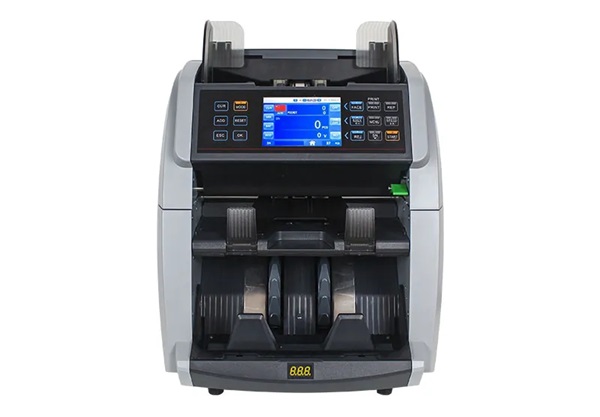
Maintaining a Weirong multi pocket currency sorter begins with regular cleaning and inspection. On models like the JBY D 6070 (A) 1+1 pocket sorter, the transport path can be opened widely to facilitate removal of dust or foreign material. Dust, lint, or stray fibers from banknotes can accumulate on the CIS sensors, UV or IR lamps, or along the banknote channel, interfering with detection or feeding. For the WR8301 2+1 pocket full-fitness sorter, which includes a three-stage modular banknote transport path, the design actually supports rapid removal of jammed notes for cleaning. Operators should power down the device, disconnect from mains, then open the path and carefully clean all surfaces with a soft, lint-free cloth; avoid liquids near the sensors. In addition, the dust cover on many Weirong sorters helps reduce contamination and noise. Regular maintenance of the dust cover and outer shell also helps prevent long-term degradation.
Several recurring issues can afflict a multi pocket currency sorter. For instance, note jams often occur if banknotes are extremely dirty, torn, or folded, or if they carry excessive moisture or foreign debris. On Weirong models, the hopper capacity can reach up to 500 notes (expandable to 1000–1200 on some machines)— overloading beyond the recommended threshold may exacerbate jamming. Misread or rejected banknotes might indicate sensor misalignment, dirt on the CIS or UV/IR modules, or aging of detection elements. Another common fault is mis-sorting: if the multi pocket sorter is not correctly calibrated, it may misclassify denominations, orientation, or fitness states. Serial number recognition failures may also result from damaged or heavily soiled notes that obscure print, or degraded OCR functionality. When the machine's reject pocket reaches capacity (for some Weirong sorters, up to 100 notes), the sorter may halt or trigger an alarm.
To begin troubleshooting, start with the most straightforward checks. First, turn off the machine and carefully clear any jammed notes via the easily accessible transport path — this is especially effective on Weirong sorters whose path design allows wide opening for maintenance. Next, inspect and gently clean the sensor modules (CIS, UV, IR, magnetic, etc.) using a soft brush or air dust blower; avoid harsh liquids. If counterfeit detection seems less reliable, verify that all detection units are active and properly aligned. For sorting errors, review the configuration settings on the touch screen: ensure that the pockets are assigned correctly (e.g., denomination, orientation, fitness, version) and that threshold levels for defects are properly set. Power-cycle the unit to reset its logic, and if persistent misclassification remains, perform a self-test (if supported) via the user interface. For repeated OCR or serial number read failures, check that image capture surfaces are clean and that lighting modules are working; if not, the illumination components might require replacement or recalibration. Also, make sure that the reject pocket has not overflowed, which could force the sorter to stop or misroute notes.
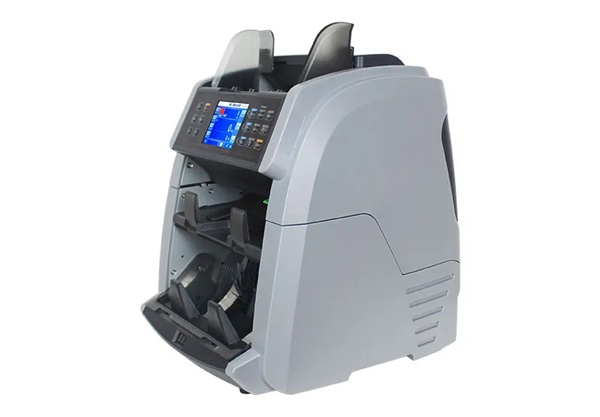
Proactive prevention reduces the risk of breakdowns dramatically. Operators should institute a daily routine: open and clean the banknote path, wipe down sensor surfaces, and inspect for small tears, deposits, or residue. Use only dry, lint-free cloths for the internal surfaces. Also, rotate usage among pockets (if possible) to avoid overloading a single path or pocket repeatedly. Train staff to feed notes in batches within the hopper's recommended capacity — for example, up to 500 notes for Weirong 1+1 models — and to avoid piling in damp or folded notes. Set scheduled deep maintenance sessions (weekly or monthly) to disassemble the modular path (like on the WR8301) and give more thorough cleaning. Keeping ambient dust low in the room also helps keep the sorter's internal mechanisms clean, and closing the dust cover when the machine is idle preserves sensor integrity.
Even with good maintenance and careful operation, there comes a time when a multi pocket currency sorter may need more than simple cleaning or calibration. If after cleaning and reset the device still jams frequently, fails to detect counterfeits reliably, or misroutes large volumes of notes, this may point to sensor failure, motor wear, or degraded illumination units. Repeated OCR or serial number misreads could suggest that the imaging or recognition module is failing and might require component replacement. Mechanical parts in the transport path, especially those that move or rotate, may also wear out over time: if sounds become abnormal or moving parts feel less fluid, the internal belt, rollers, or gears should be inspected by a trained technician. It's also prudent to schedule periodic inspections by Weirong-certified service personnel to confirm alignment, update firmware, and replace aging parts, thus prolonging the life of your multi pocket currency sorter.


 English
 беларускі