Maintaining a bill binding machine requires ongoing attention to its operating condition, cleaning practices, and handling methods to ensure that it continues to deliver stable performance during daily bundling tasks. Because a bill binding machine operates with heating components, rubber strips, mechanical tension, and continuous movement, proper care directly affects the quality of its binding output and reliability. Regular cleaning of dust and residue from its working surface prevents interruptions during binding, especially when handling high volumes of notes. Ensuring that the binding area remains smooth and free from debris also helps the bill binding machine respond more accurately during repeated thermal fusion cycles. Machine operators benefit greatly from adopting the habit of inspecting the machine before and after daily use, verifying that the heating components, wire positions, and working platform are free of build-up that could interrupt smooth binding. Such consistent care begins with simple routines that accumulate into long-term stability.
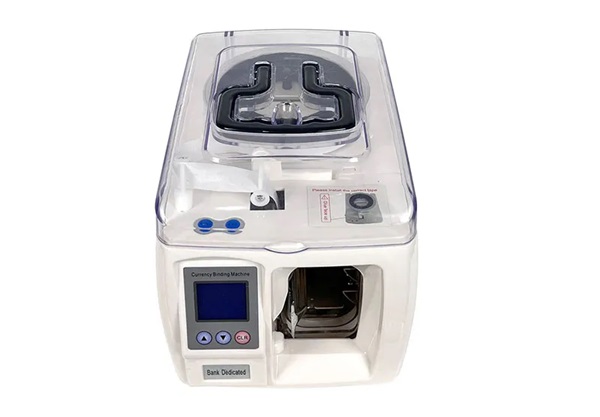
The daily cleaning of a bill binding machine should focus on the parts that come into direct contact with paper notes and binding materials. When dust or fine particles accumulate around the heating head or the binding area, they may reduce the adhesion efficiency during thermal bonding. Gently wiping these areas helps prevent misalignment during the binding process and supports the machine in creating uniform bundles. The rubber strip surface and its surrounding components should also remain dry and clean to maintain effective pressure application, which is essential for reliable sealing. By keeping these areas smooth and clear, the internal mechanism avoids unnecessary strain and sustains a longer operational lifespan. Maintaining cleanliness is not limited to wiping surfaces but also includes ensuring proper airflow around the heating component so that the machine can regulate the temperature more effectively. Continuous buildup can interfere with stable heat distribution, which is essential in every bill binding machine to achieve consistent sealing results.
Effective handling of a bill binding machine requires understanding the behavior of the machine during different binding stages and applying controlled actions to prevent excessive tension or heat exposure. Operators should always place banknotes neatly before inserting them into the binding area, preventing unnecessary friction or misfeeds. Proper alignment of notes reduces pressure on internal mechanisms and supports the machine in achieving smooth and secure binding. Operators should avoid forcing the binding material or applying pressure in ways not supported by the machine's structure. Allowing the thermal system to reach its operating temperature naturally ensures that the heat activation works as intended and that no premature binding occurs. By practicing gentle and steady operation, the machine maintains its internal coordination and responds more precisely during each binding cycle. Developing careful handling habits allows the bill binding machine to deliver consistent results throughout routine use.
Routine inspections should focus on the connections, heating section, rubber strip, and binding platform to ensure that each component performs in sync during operation. Checking whether the heating head maintains a stable temperature response prevents issues in the fusion line of binding strips and guarantees that the sealed edge remains firm. Observing the condition of the binding strip path helps prevent minor obstructions that could influence the tension and alignment of the machine. The rubber strip surface should be checked for signs of wear, as its flexibility contributes to consistent sealing pressure. Operators should also examine the working platform for scratches or unevenness that may catch the binding material and interrupt smooth operation. Any unusual vibration or noise during binding could indicate that interior components need attention, and addressing these small deviations early helps prevent further complications. Performing these inspections regularly allows users to track the machine's condition and make timely adjustments.

Correct usage practices contribute significantly to maintaining the long-term reliability of a bill binding machine. Allowing the machine to operate within its designed working intervals prevents overheating and supports the thermal system in maintaining stable performance. Regularly replacing binding materials that show signs of aging keeps the bonding results consistent and reduces unnecessary stress on moving components. Ensuring that the machine is stored in a dry and stable environment also protects its electrical and heating parts from moisture effects. Users can further enhance reliability by maintaining steady operational rhythms rather than running the machine continuously without pause. Such thoughtful usage strengthens component coordination and supports repeated cycles without degradation. Over time, these correct habits ensure that the bill binding machine remains dependable for daily cash-handling tasks, providing clean and precise binding while maintaining operational stability.


 English
 беларускі
_20260109163303.webp "JBY D N82 Longitudinal Bill Counter")
