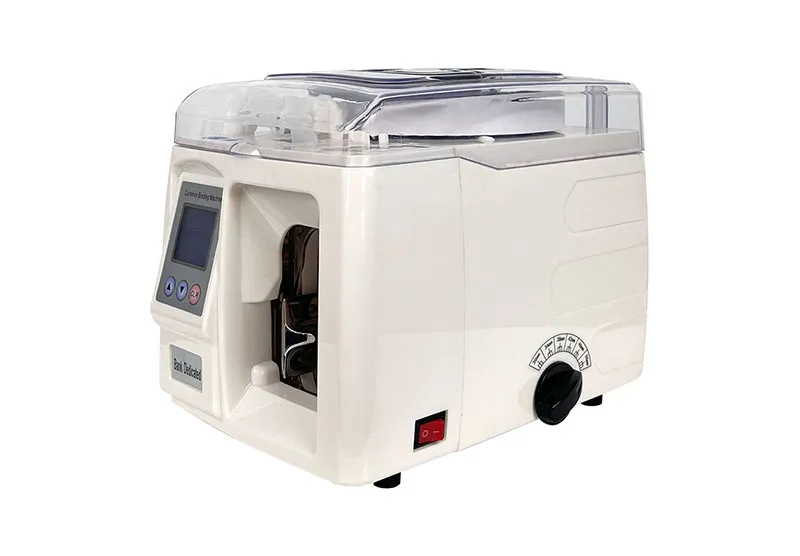
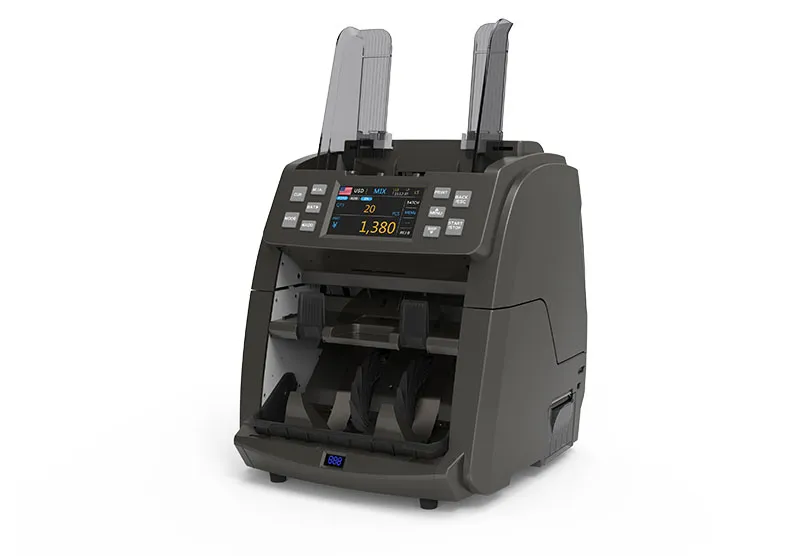
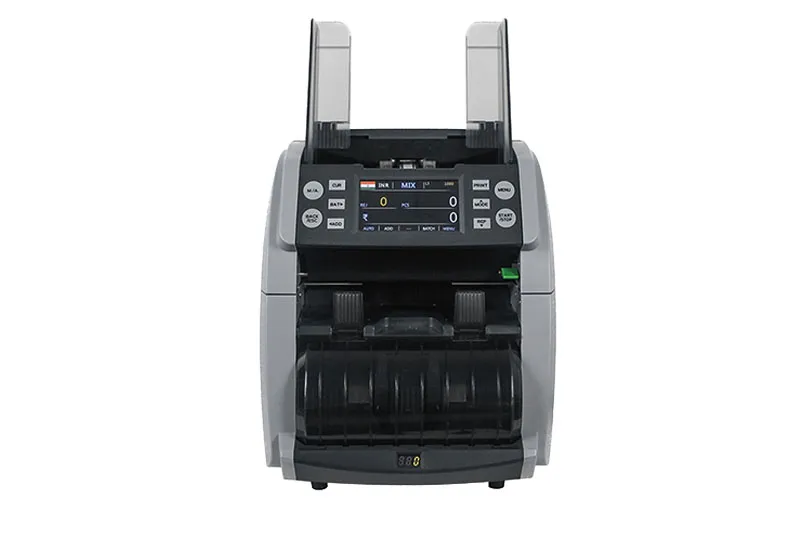
Banknote sorters rely on synchronized feeding, detection, and sorting mechanisms, and understanding its operating conditions is the first step in effective troubleshooting. When the machine processes currency, sensors identify denomination, authenticity, and fitness, while internal rollers and guiding components ensure stable movement. Any irregularity in these areas can trigger sorting delays or misclassification. The airflow system that prevents note overlap must also function smoothly to ensure clear separation of each bill. When the machine's optical and magnetic detection systems operate consistently, the sorter delivers accurate and efficient results. Therefore, knowing how these systems interact inside a bank note sorter helps users identify the root causes of irregular performance, such as slower recognition response or repeated misrouting of notes, before they develop into larger operational disruptions.
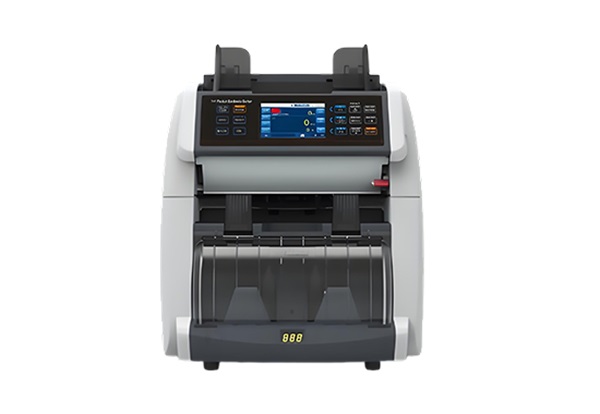
Many common faults in a bank note sorter originate from feeding issues, as even slight deviations in bill condition or surface smoothness can affect proper entry. Dust accumulation, humidity, or tightly stacked bills can lead to partial feeding, which causes the machine to stop midway for protection. When feeding rollers lose flexibility or become coated with fine paper powder, their grip weakens and results in frequent jams. These issues often reveal themselves through repeated stoppages at the entry area or an uneven pulling sound as notes enter the sorter. Ensuring that the internal feeding path remains clean and free of residual fragments supports smooth note movement, while monitoring roller response can prevent prolonged feeding interruptions. Understanding these factors allows operators to distinguish between bill-related disruptions and mechanical symptoms inside the bank note sorter.
Sensor issues represent another common challenge when troubleshooting a bank note sorter because every note depends on accurate reading for proper classification. Optical sensors may become less sensitive when exposed to dust or micro-scratches, causing difficulty in distinguishing note patterns or detecting stains. Magnetic sensors can show inconsistent responses if their reading surfaces accumulate fine metallic particles from circulated notes. When these irregularities occur, the sorter may reject a large number of acceptable bills or mistakenly direct them to the suspect pocket. Users may also notice delayed detection or fluctuating recognition signals, which suggest that sensor pathways need attention. Carefully observing the sorter's behavior during the identification stage helps pinpoint which sensor is causing errors, allowing users to address the underlying issue and restore stable performance.
Proper internal movement is essential for consistent sorting accuracy in a bank note sorter, and disruptions in this process often lead to mis-sorting or repeated rejections. Rollers, belts, and diverters must maintain synchronized timing to ensure that notes are guided to the correct output. Any imbalance in pressure or tension can cause notes to drift slightly off-path, resulting in them being diverted into incorrect pockets. When the machine's separation mechanism does not maintain steady spacing, overlapping or double feeding can occur, affecting both detection and sorting. The internal airflow system must also remain balanced, as uneven air pressure can cause lightweight notes to lift or shift while passing through the detection unit. Observing the flow and orientation of notes during operation provides valuable clues for diagnosing internal mechanical irregularities and addressing them before accuracy declines further.
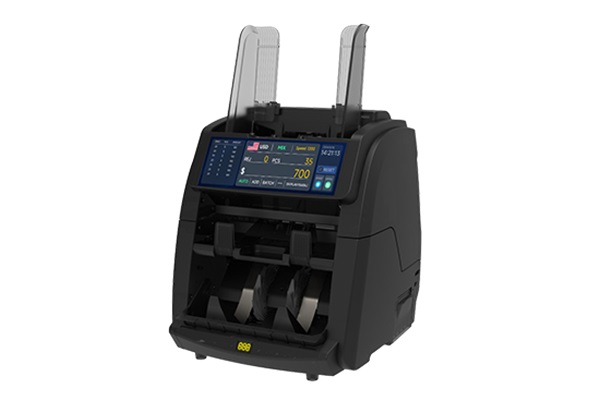
After troubleshooting and correcting identified issues, functional testing ensures that the bank note sorter returns to stable operation. Running trial batches allows users to observe whether feeding becomes smoother, sensors read consistently, and sorting alignment resumes normal performance. This testing phase helps confirm that previously observed symptoms—such as delayed detection, misrouting, or slow feeding—are no longer present. Regular functional checks also help detect early-stage faults that might not be visible during casual operation but can influence long-term performance. By combining targeted troubleshooting with periodic evaluation, users can maintain dependable sorting quality while minimizing unexpected disruptions during high-volume currency handling tasks.
Partner with us today — your reliable cash counting machine suppliers — and experience technology that makes every count accurate and effortless.


 English
 беларускі